
2026 One Maryland One Book
Reader’s Guide – No Sense in Wishing
About the Book and Author
Photo credit: [Baltimore cityscape at night from Federal Hill], by Jack Engeman. Courtesy of the Jack Engeman photographs (Coll118), the Photography Collections, University of Maryland, Baltimore County.
About the Author
Lawrence Burney is a writer, critic, and the founder of True Laurels, an independent magazine covering Baltimore’s music and culture scene. His work has appeared in publications such as New York Magazine, GQ, and Pitchfork. He has also worked at The Fader, VICE, and The Baltimore Banner. No Sense in Wishing is his first book. Follow him on Instagram and X @TrueLaurels.
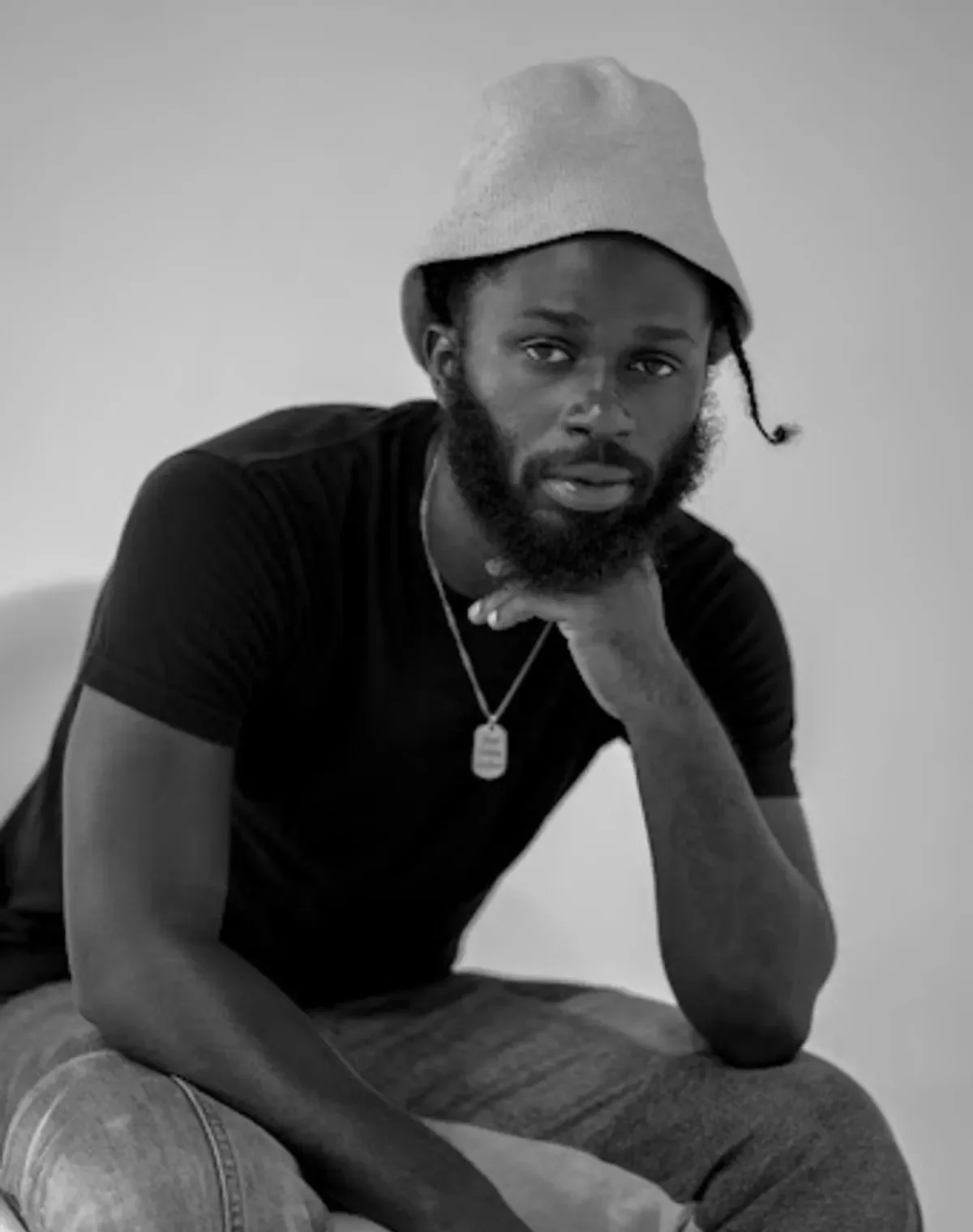
Photo Credit: Shan Wallace
Author’s Statement
“I’d like it to help folks connect the dots, between the sociopolitical factors of their hometowns—or any town—and how music from that place’s most oppressed communities emerged. I’d like for our regional food cultures to open discussions about Antebellum society. And I’d like to emphasize how any form of creative expression can challenge power structures.”
-Lawrence Burney
About the Book
Burney cites inspiration for the book as the music artists he’s grown up with and listened to throughout his life, which he sees as ways to become familiar with the unfamiliar—the cities and regions they come from, the loves and pains they’ve experienced, and the aspirations and insecurities that live within them. “All of those factors,” he says, “create an opportunity for connection—a chance that the artist’s storytelling was so effective it inspired you to revisit some of your own experiences with a sense of clarity.” To him, No Sense In Wishing’s mission is to advocate spending ample time with what most captures your affection and curiosity. Through his reflections, Burney illuminates the interplay between innovation and resistance, offering readers insight on how cultural expression can both reflect and drive meaningful change.
Through each essay, readers are invited to traverse not only Burney’s own journeys across the world but also consider their own through the music, art, and culture they’ve encountered. Maryland Humanities highlights how No Sense in Wishing shows us, through the words of a local author, how these encounters can help us tap into deeper discussions of cultural background, social histories, adolescence, family, and relationships. Readers are encouraged to see the book as a model for how creative nonfiction and cultural criticism can be a tool for self-exploration and social transformation.
General Themes
Identity and Self-discovery, Black cultural expression, Community and belonging, Race and Systemic Inequality, Urban life and regional identity, Art as survival and connection, Maryland history, Innovation vs Resistance, Creative expression, Challenging power structures
Content Warning
While this book does not depict graphic content, racism, systemic inequality, references to substance use, discussions of mental and emotional struggle as well as mature themes related to identity and relationships are primary subjects in the book. These essays are both personal and analytical and are an invitation to reflect on one’s self, in addition to what is written on the page. Please consider how different readers may react or sensitize these works as they read.
Reader’s Guide
Every year we work with educators and partners to bring you relevant information to enhance your reading of the One Maryland One Book. Here are some ways you can read along with us.
Read a welcome message from Maryland Humanities staff.
See bios, statements, and learn more about the book’s themes.
Activities in the Teacher’s Guide assist in the practice of these Maryland curricular requirements.
Prompts to guide your conversations about the book.
Activities and curricular guides arranged by subject for interdisciplinary exploration.
A collection of images related to this year’s book selection.
Related reading and other recommended resources to augment the book.
The people and organizations that helped us compile the content and resources of this guide.