Our first statewide humanities conference is happening this summer.
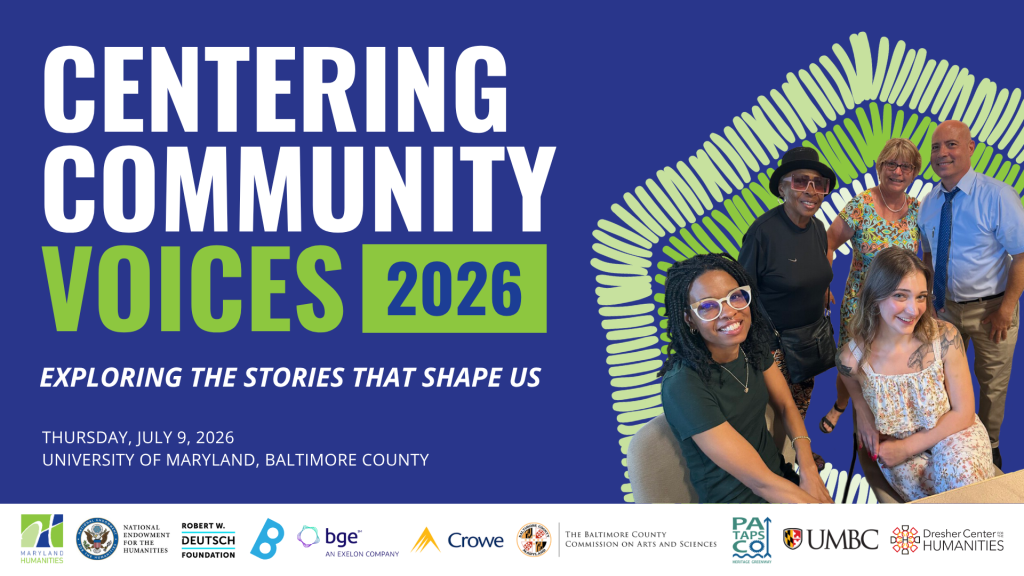
Together, we will explore the humanities’ potential to promote inclusion, dialogue, and social justice through storytelling.
This summer, Maryland Humanities will bring together a diverse group of cultural workers— community members, museum professionals, service providers, public historians, educators, interpreters, students and others involved in humanities efforts and community engagement—to highlight the various programs and best practices related to storytelling taking place in the state and wider region. This includes how we document, share and collect stories broadly, from exhibition development, podcasts and media creation to oral history projects and film.
We are particularly interested in highlighting innovative ways that storytelling is being used to engage communities and promote dialogue. Storytelling is being interpreted in a very inclusive manner, from how we construct narratives, their role in the formation of community identity, how we create memory, interpreting complicated/divisive stories, how stories can be used in reconciliation and healing, etc. Formats will include roundtable discussions, program presentations, and facilitated conversations.
Schedule
9:00 – 10:00 a.m. | Breakfast & Registration
Registration check-in will take place in the atrium of UMBC’s Performing Arts & Humanities Building (PAHB). There will be no on-site registration, as we have sold out of tickets for this conference.
Breakfast will be buffet-style and take place in the atrium and PAHB 102.
10:15 – 11:00 a.m. | Interactive Workshops
Interactive workshops will include Guided Meditation for Story, Memory and Healing with Michele Blu, Sound Healing & Somatic Meditation with Britt Daniels, and Storytelling That Moves People to Action with Maria James.
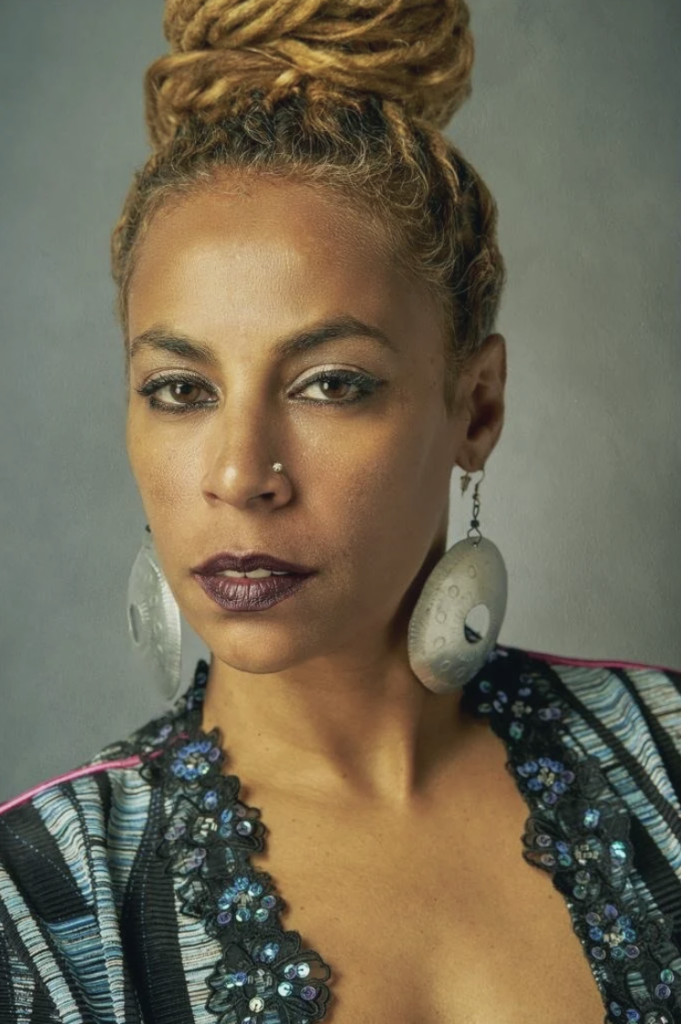
Michele Blu is a multidisciplinary artist, wellness facilitator, and founder of Blu Treasures Kemetic Yoga & Art Studio in Baltimore, Maryland. With more than 28 years of experience teaching Kemetic Yoga, sound healing, voice immersion, meditation, art therapy, and creative wellness practices, she creates transformative experiences that foster healing, self-discovery, and community connection.
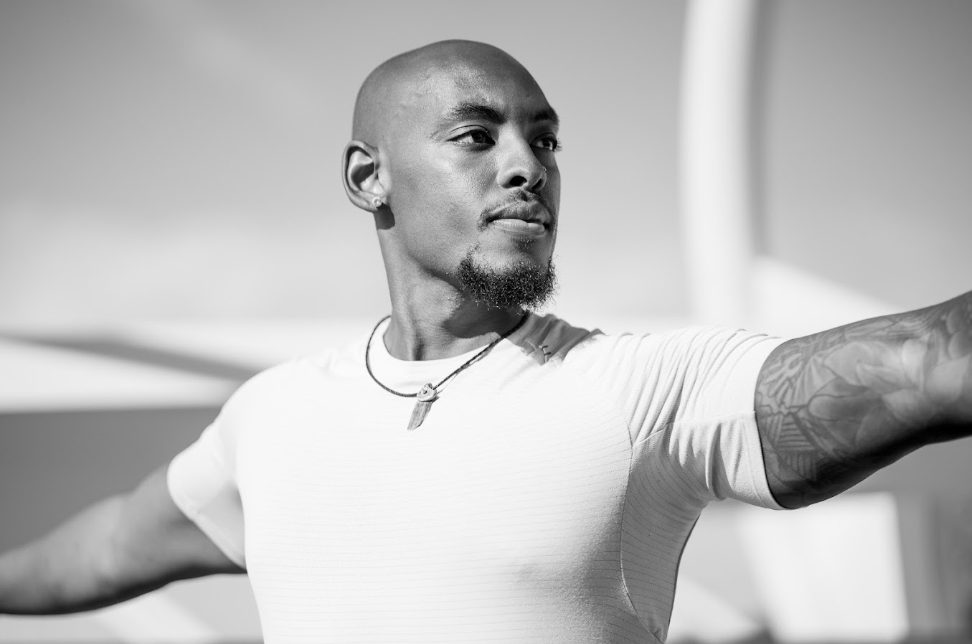
Britt Daniels is a wellness architect, speaker, corporate wellness strategist, and trusted advisor based in Washington, D.C. As the founder of Wellness Architects, he designs impactful wellness programs that foster high-performing, resilient teams, and purpose-driven communities. His mission is to make wellness accessible and impactful, ensuring people can thrive physically, mentally, and emotionally.
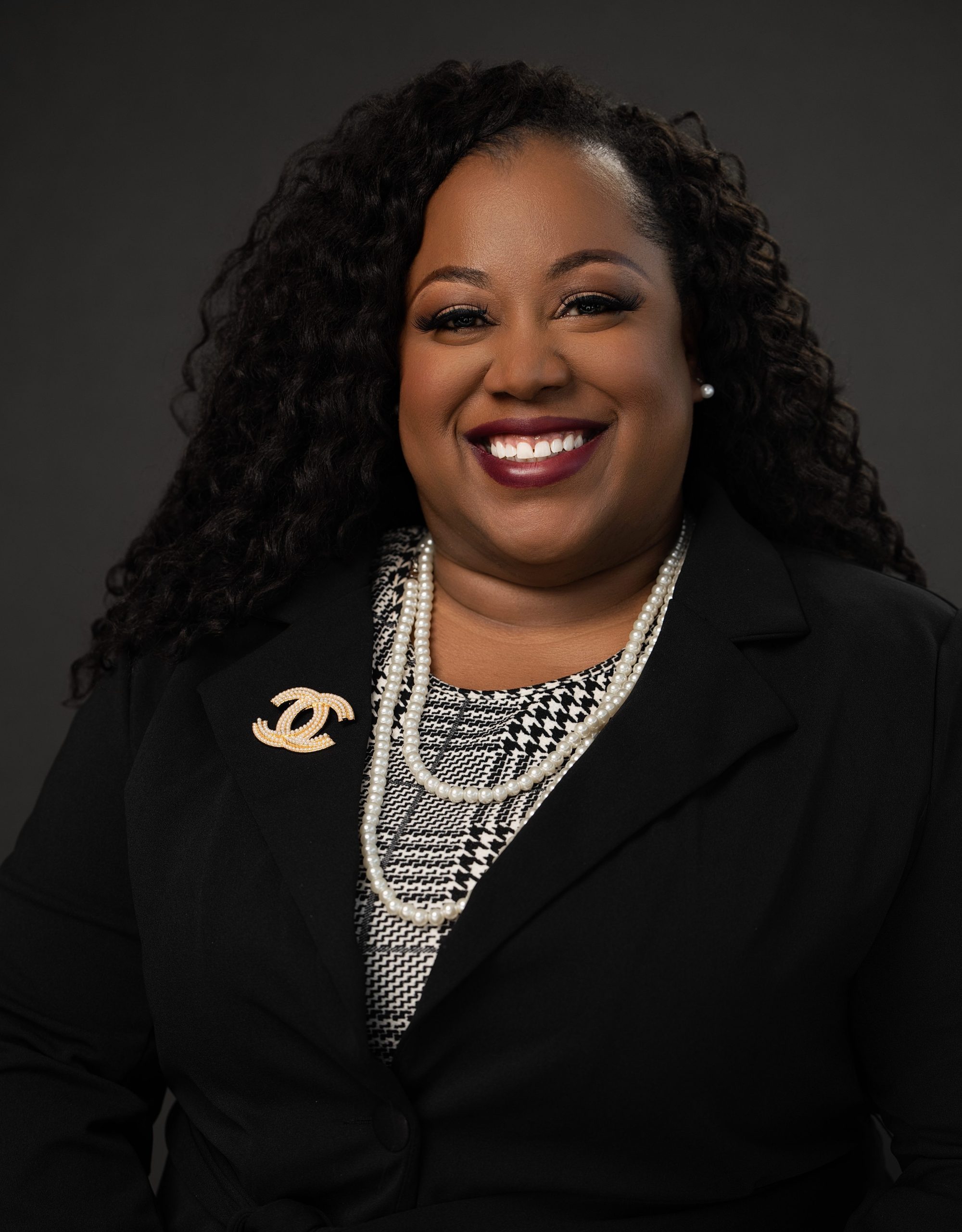
Maria James is an award-winning journalist, editor, communications strategist, and senior communications leader with more than two decades of experience in journalism, public relations, and strategic communications across federal, nonprofit, healthcare, and community sectors. She is the Founder and Principal Consultant of Blueprint Media + Strategy, a communications consulting firm.
11:15 a.m. – 12:15 p.m. | Breakout Sessions: Panels (3 concurrent)
Panel 1: Telling Community Stories
This panel will provide an opportunity for cultural workers from different Maryland communities to present how they are documenting and sharing local stories in a variety of ways. Panelists include:
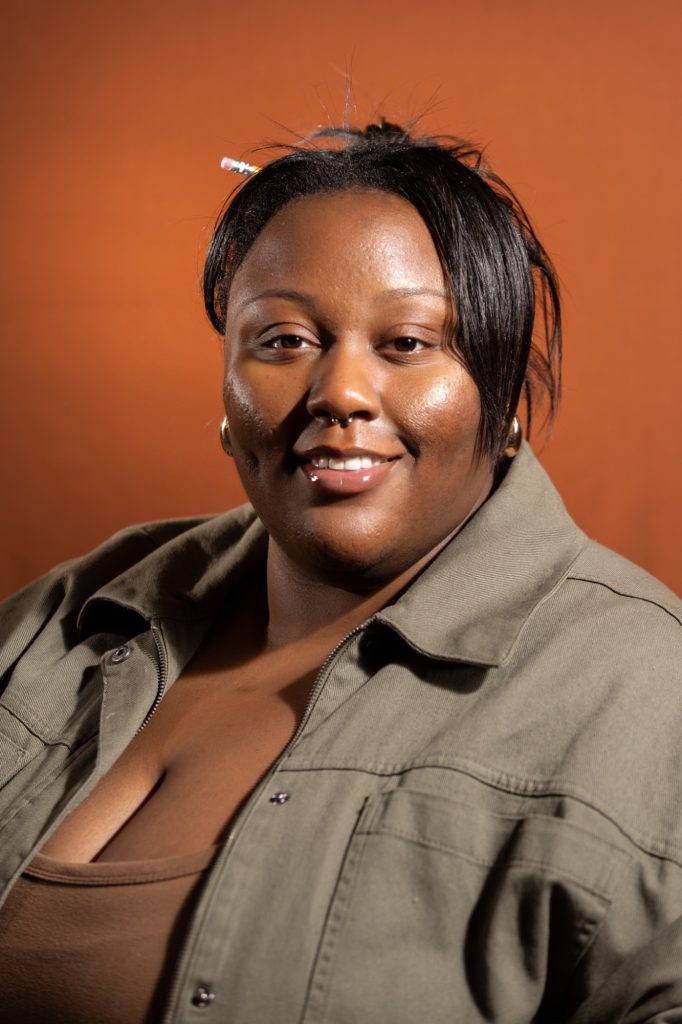
Alanah Davis is a Baltimore-raised, award-winning journalist and cultural worker who uses storytelling as a tool for connection, understanding, and change. Her work focuses on documenting how people, neighborhoods, and public systems intersect, with a particular emphasis on making complex civic issues accessible and meaningful to everyday audiences.
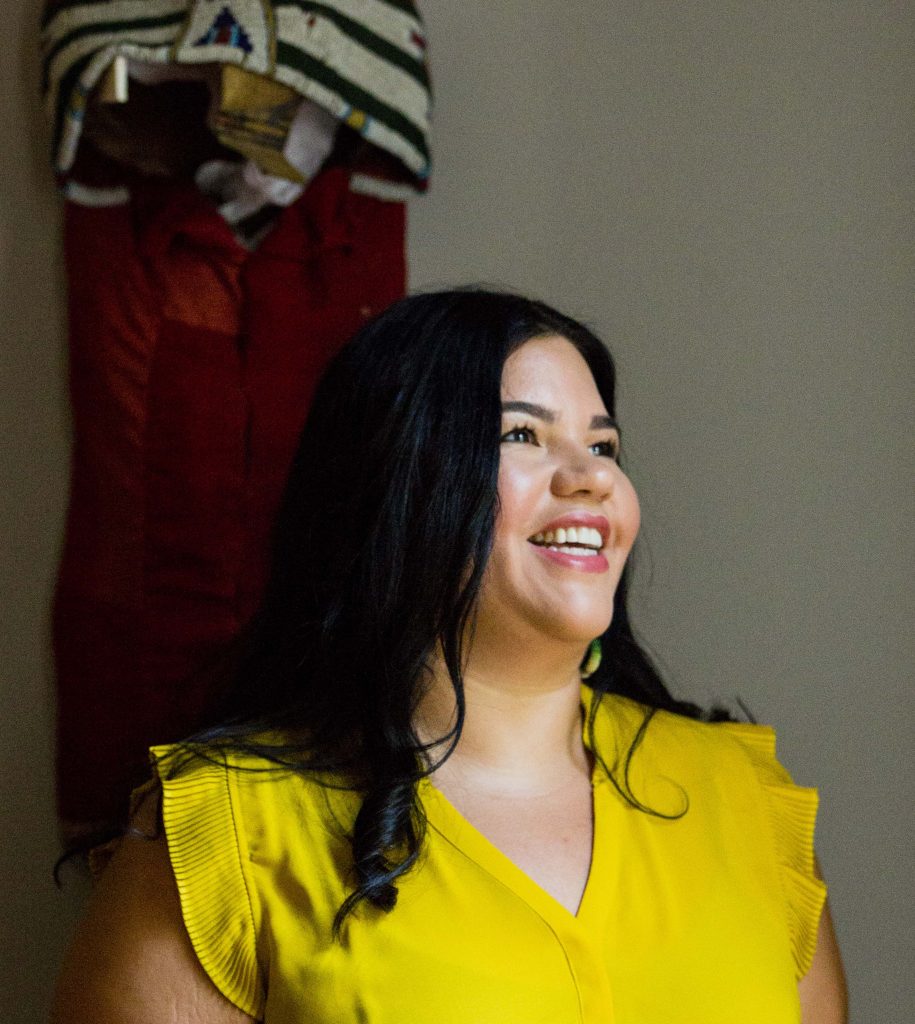
Ashley Minner Jones is a community-based visual artist and folklorist from Baltimore, Maryland, where she has lived on the same block her entire life. Her interdisciplinary practice is deeply rooted in place—usually in the context of the U.S. South—and is focused on honoring and celebrating everyday people by lifting up their stories.
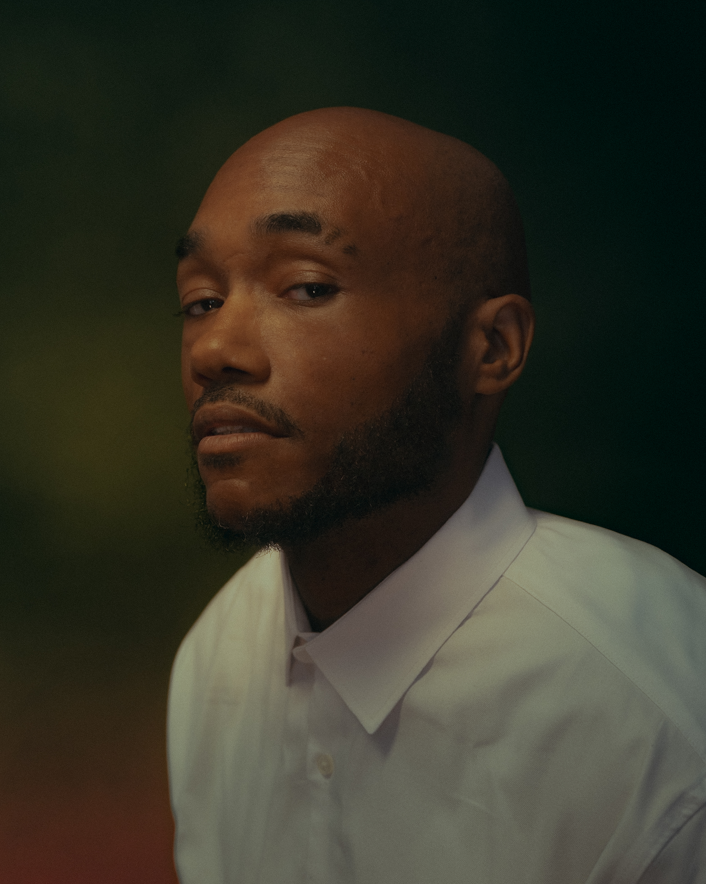
Rob Lee is a speaker, podcast producer, host, and educator. He currently serves as the executive producer and host of The Truth In This Art Podcast, an independent arts-and-culture series with 900+ episodes. He teaches Podcasting Essentials at the University of Maryland, Baltimore County and leads the podcast curriculum at Baltimore School for the Arts.
Panel 2: Student Storytellers
Maryland educators and students are involved in documenting and presenting stories about their communities. The panel will showcase a number of projects from high school and college students engaged in these efforts.
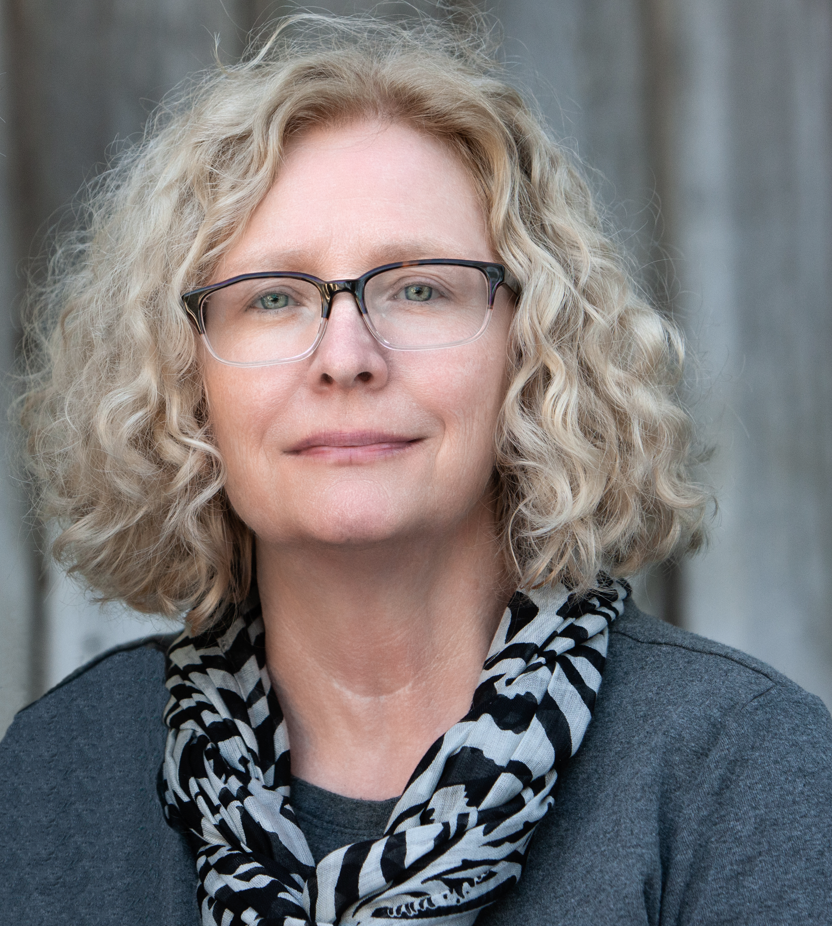
Dr. Carole McCann is Professor of Gender, Women’s, and Sexuality Studies, Dresher Center for the Humanities Board Member, and Co-Director of UMBC Interdisciplinary CoLab. Carole’s current book project, “A Certain Standard of Care: Maryland Planned Parenthood,” examines this local organization’s nearly 100 year history of healthcare services and advocacy.
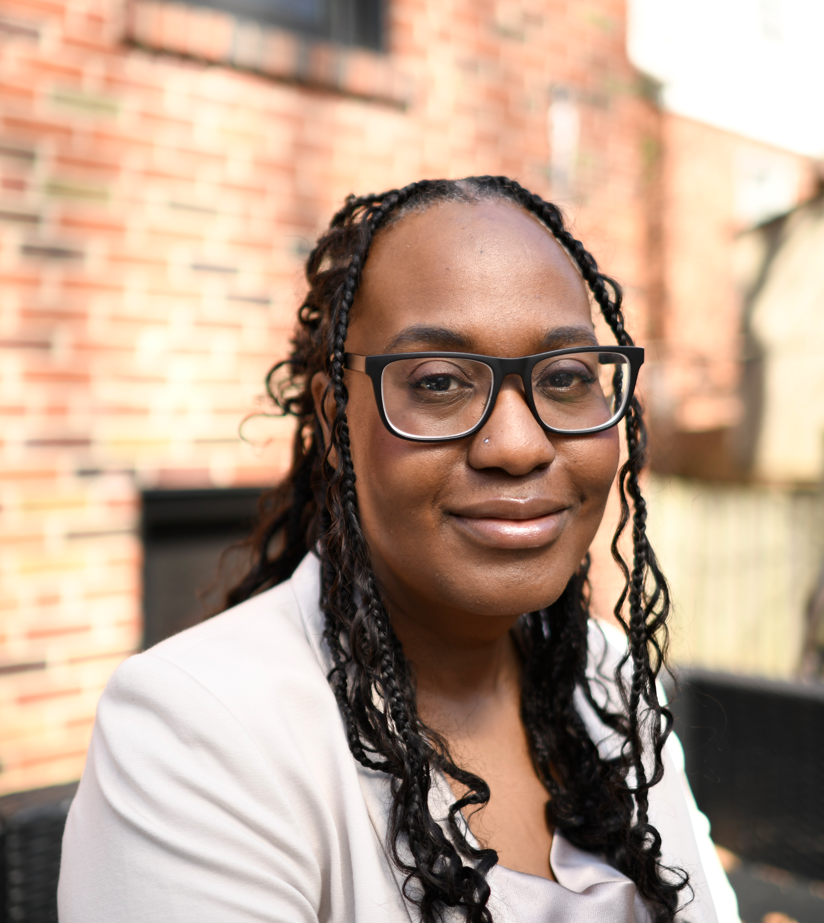
Dr. Liz Patton is Associate Professor and Chair of Media and Communication Studies at UMBC. Liz’s current book project, Documenting Black Leisure as a Form of Resistance, examines the history of Black leisure and tourism in the U.S. through media of the Jim Crow era. She is the recipient of the 2023 National Endowment for the Humanities Fellowship and the incoming co-director of UMBC Interdisciplinary CoLab.
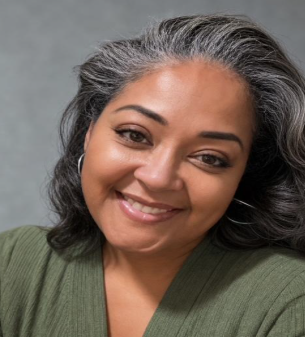
Mariam Spalding currently serves as Academic English & Social Studies Coordinator for Correctional Education Programs with the Maryland Department of Juvenile Services, developing humanities-centered initiatives that empower students to share their stories through public history, writing, and service-learning projects.
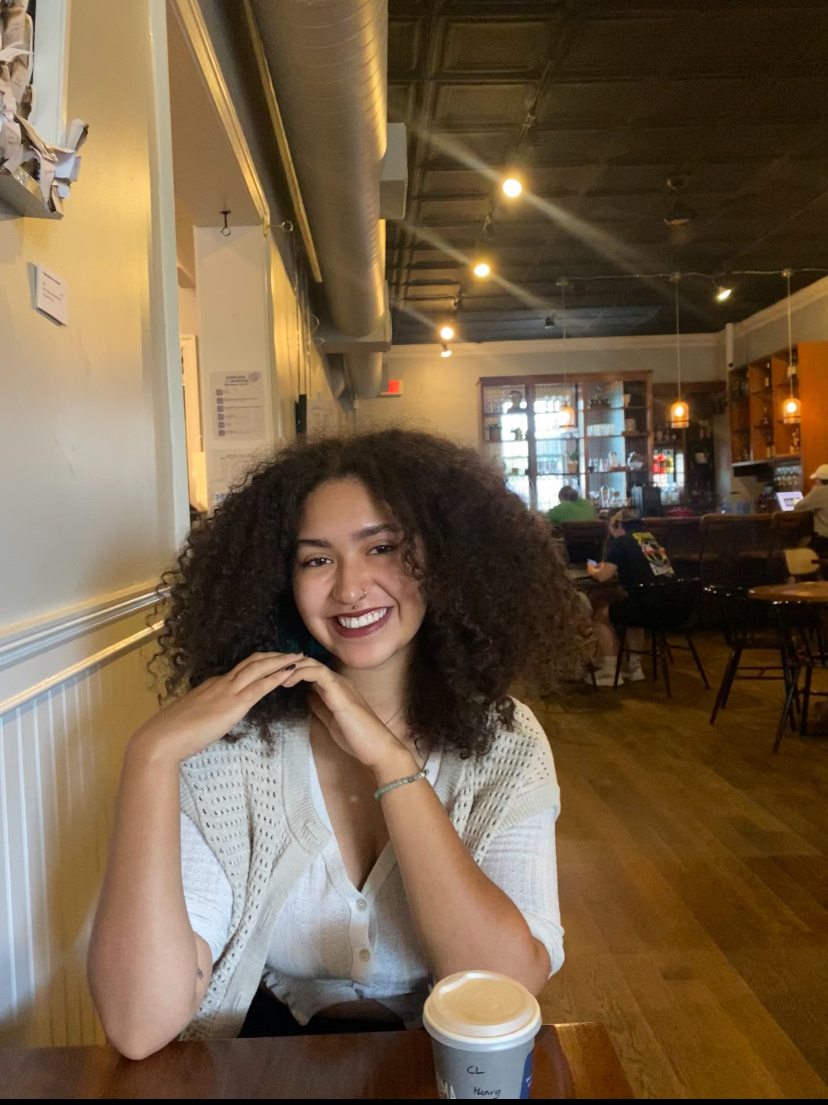
Nicole King (she/her) is an undergraduate student at UMBC, pursuing degrees in Africana Studies and Art History. She has been part of many projects, such as UMBC Interdisciplinary CoLab Internship Program: Documenting Places of Resistance: Black Tourism and Leisure during the Jim Crow Era. She has also interned at the Smithsonian American Art Museum, helping to represent HBCU art collections and assist building archival collections.
Panel 3: Reparative Stories
This panel will focus on how different organizations are dealing with Maryland’s difficult past and working toward healing and reconciliation.
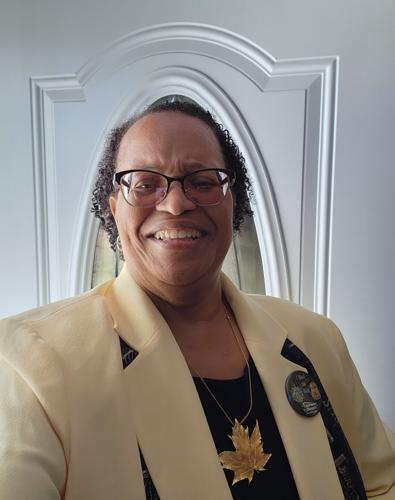
Gwen Bankins made history by becoming the first descendant of the enslaved at Historic Sotterley to be elected President of the Board of Trustees and the first descendant in Maryland to serve in this capacity. Ms. Bankins has served with the Steering Committee for Dismantling Racism and Privilege in Southern Maryland, Southern MD National Heritage Area, and St. Mary’s County Sheriff’s Office.
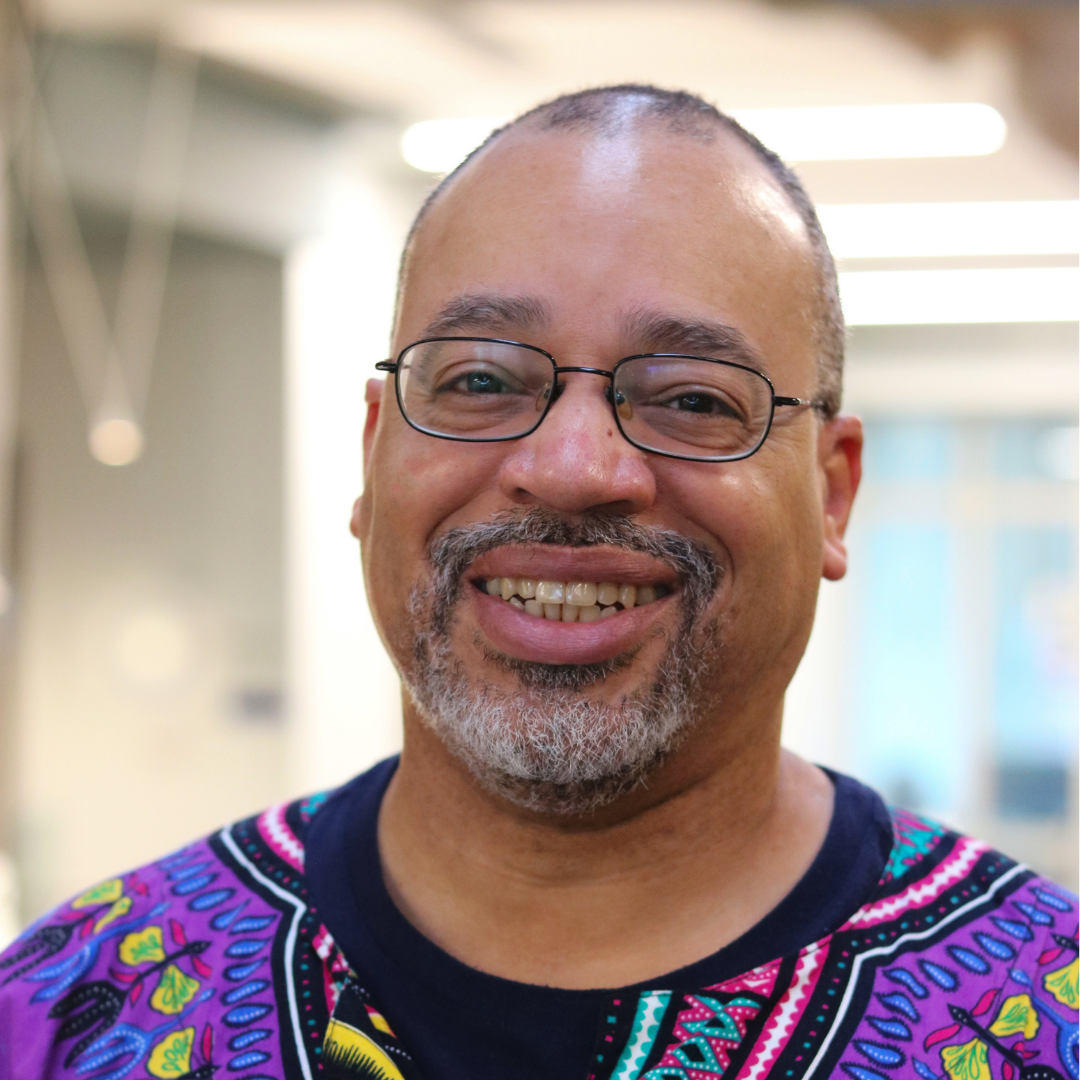
Dr. Nicholas M. Creary is a higher education leader and scholar whose work bridges historical research, public engagement, and transformative institutional leadership. Dr. Creary co-founded and served as a commissioner on the Maryland Lynching Truth and Reconciliation Commission and authored the books, Domesticating a Religious Import and African Intellectuals and Decolonization.
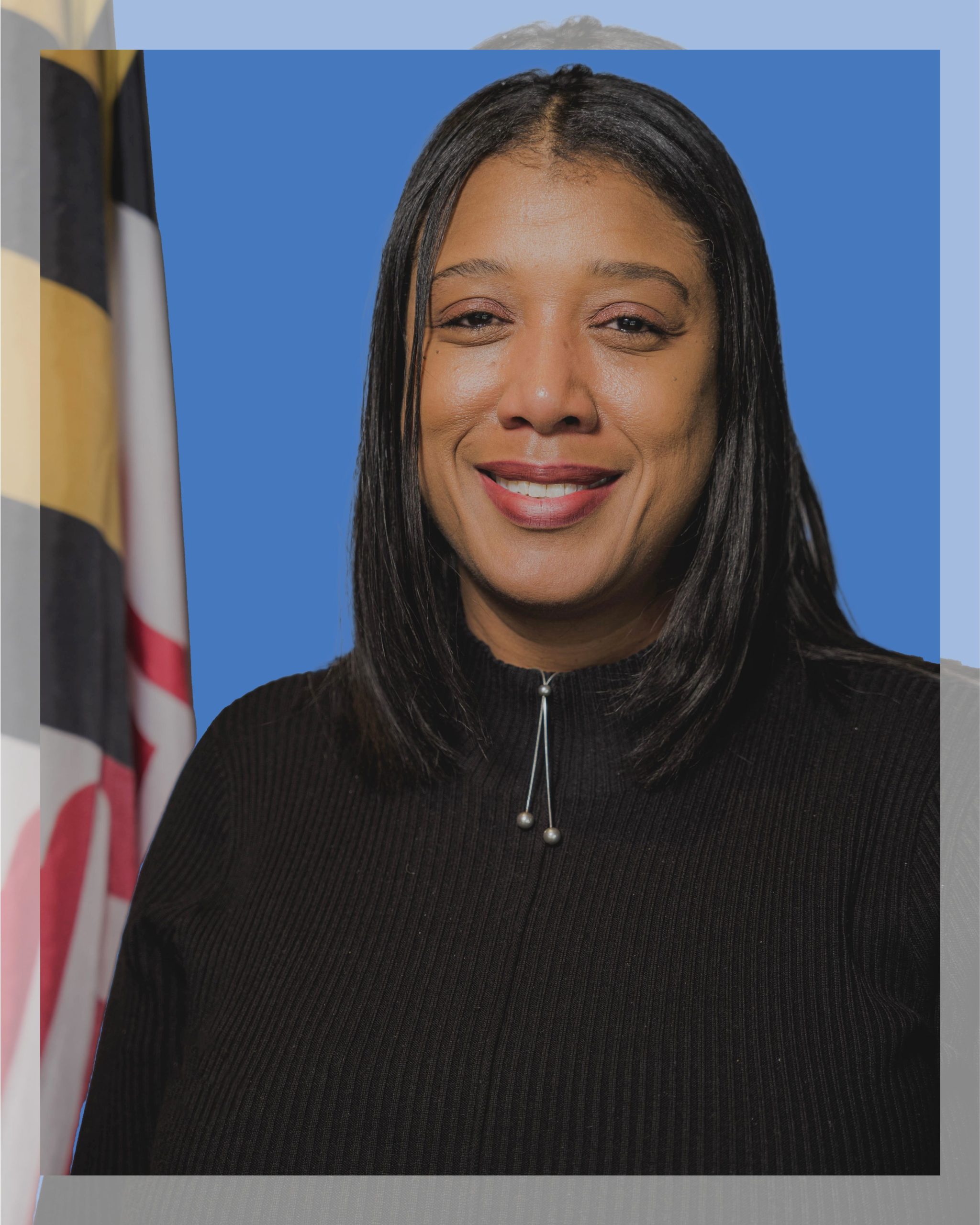
Maya Davis is Director of the Riversdale House Museum, a former 19th Century Plantation home constructed through enslaved labor and operated through bondage of generations of men, women, and children. Maya is bringing a new approach to Riversdale by collaborating with descendants of the enslaved families who lived and labored there and institutionalizing reparative programming.
12:30 – 1:15 p.m. | Lunch
1:30 – 2:15 p.m. | Plenary Session: Keynote Speaker, Cory McCray
Cory McCray is a Maryland State Senator representing the 45th Legislative District in Baltimore City, where he is committed to expanding opportunity, strengthening communities, and delivering real results for working families.
A proud son of Baltimore, Senator McCray began his career as an electrical apprentice and now stands as a journeyman electrician—bringing a working-class perspective to public service that is rare in legislative spaces. He is the only member of the Maryland General Assembly to have completed a registered apprenticeship, and his lived experience continues to shape his work in workforce development, education, and economic mobility.
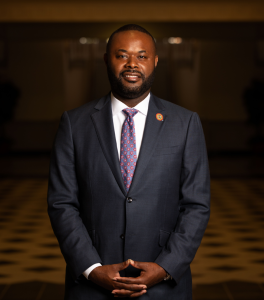
In the Senate, he serves on the Budget and Taxation Committee and chairs the Health and Human Services Subcommittee, where he plays a key role in shaping the State’s budget and advancing policies that impact some of Maryland’s most vulnerable communities.
McCray is also the author of The Apprenticeship That Saved My Life, a guidebook and call to action that highlights apprenticeship as a powerful pathway to success. Through his work in the legislature and in the community, he continues to advocate for systems that provide real access, real exposure, and real opportunity—especially for young people who are too often overlooked.
He is a devoted husband to his wife, Demetria, and a proud father to his four children—Kennedy, Reagan, CJ, and Bryson—who continue to inspire his work and commitment to building a better future for the next generation.
2:30 – 3:30 p.m. | Breakout Sessions: Panels (3 concurrent)
Panel 4: Storytelling with Media
With new media platforms available to share stories, new audiences are being engaged through creative platforms. This panel with discuss several of these methodologies.
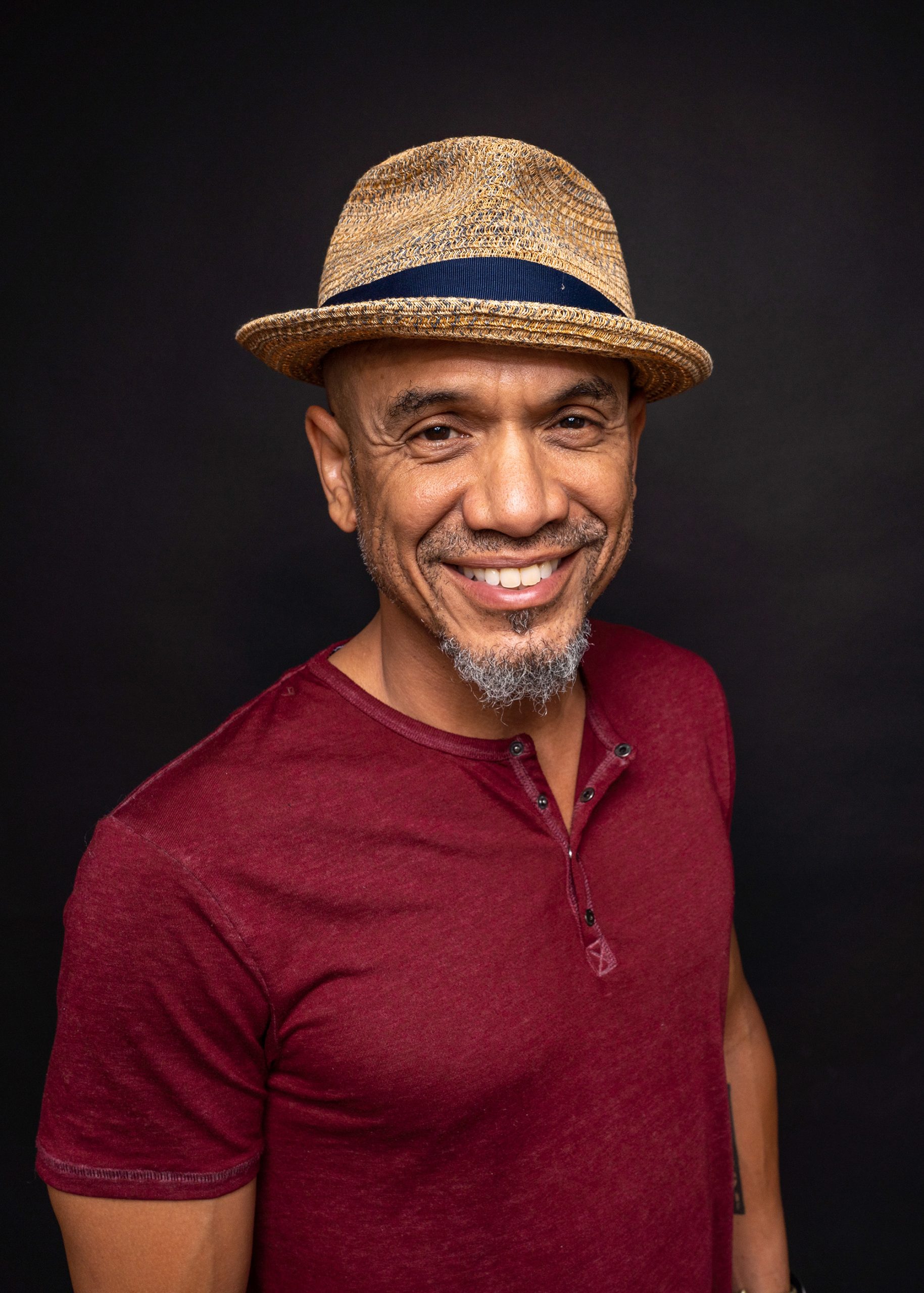
André Chung is an award-winning photojournalist, photographer, and filmmaker based in the Washington/Baltimore region. Using bold composition and emotional content, his empathetic, documentary-style work has been honed over a 30+ year career in newspapers, magazines, and nonprofit work.
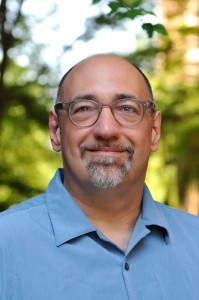
Jason Loviglio is professor and founding chair of Media and Communication Studies at The University of Maryland, Baltimore County. He is author of Empathy Machines: This American Life, Podcasting, and the Public Radio Structure of Feeling. He is co-editor The Routledge Companion to Radio and Podcast Studies (2002) and Radio Journal: International Studies in Broadcast and Audio Media.
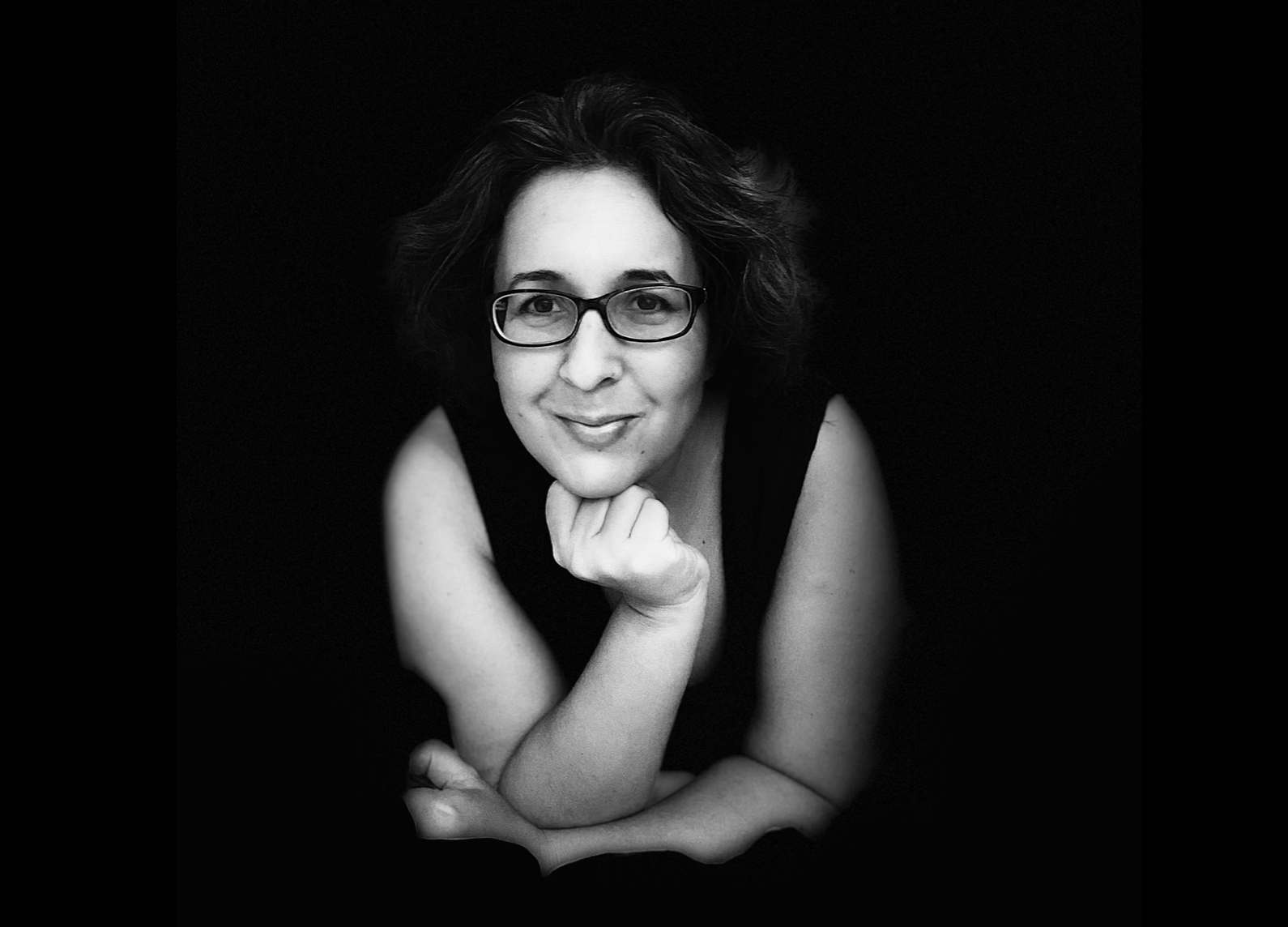
Rona Kobell is a regional reporter for The Baltimore Banner. Prior to that, she covered the Chesapeake Bay and its people for 18 years, beginning at The Baltimore Sun, then at the Chesapeake Bay Journal, and then as the managing editor and lead writer for Chesapeake Quarterly magazine, which is part of Maryland Sea Grant.
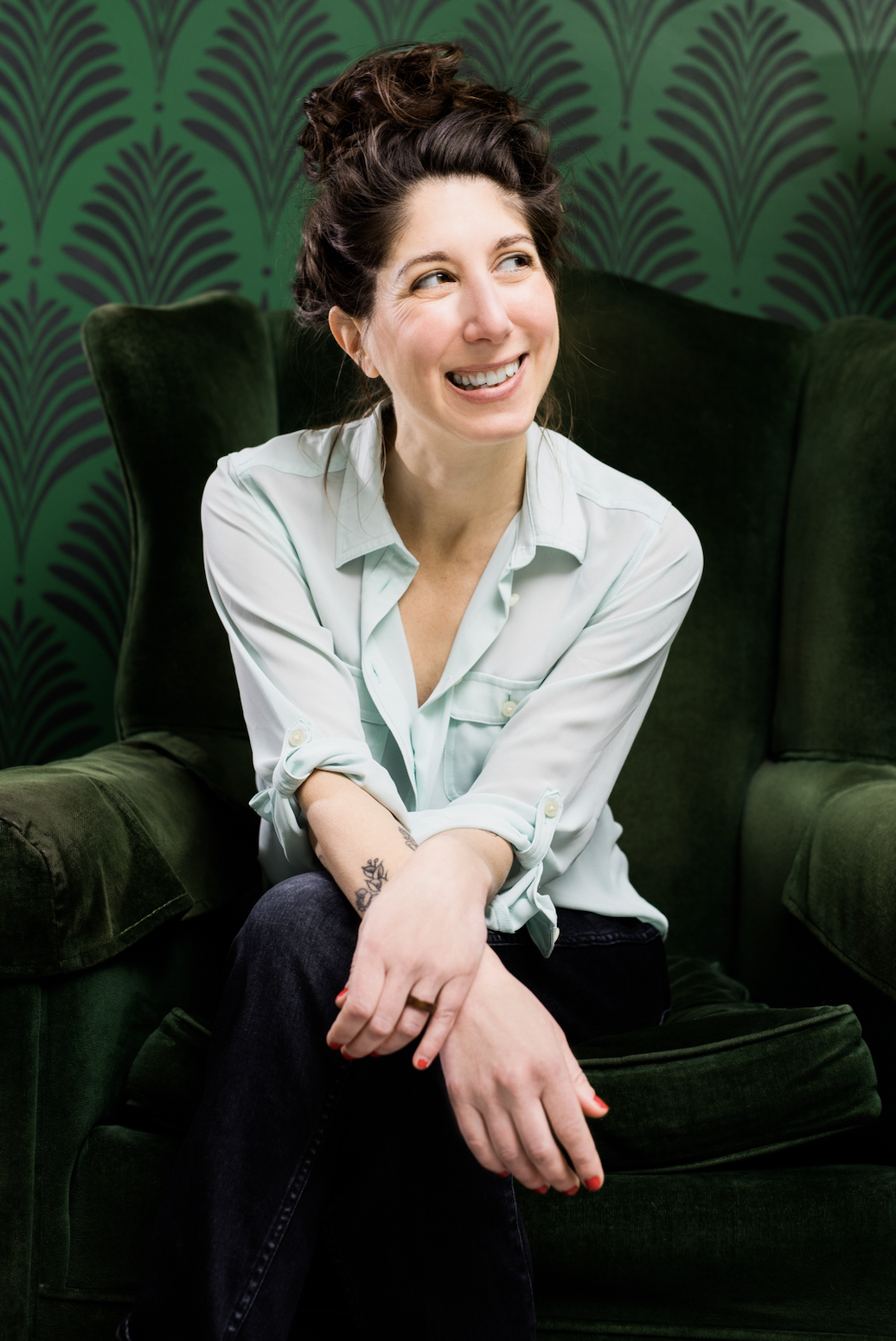
Ann Tropea is an editorial leader, communications strategist, and media educator dedicated to advancing storytelling as a tool for civic engagement and social connection. As Assistant Director for Engaged Media at UMBC, she leads the Student Media Collective, advising student journalists, creators, and editors as they produce work across print, broadcast, and digital platforms.
Panel 5: Sharing Stories with the Written Word
This panel will convene multiple local and independent publishers to discuss how a local publishing can not just produce and sell books, but also provide a model for using storytelling and literacy to cultivate and engage your community.
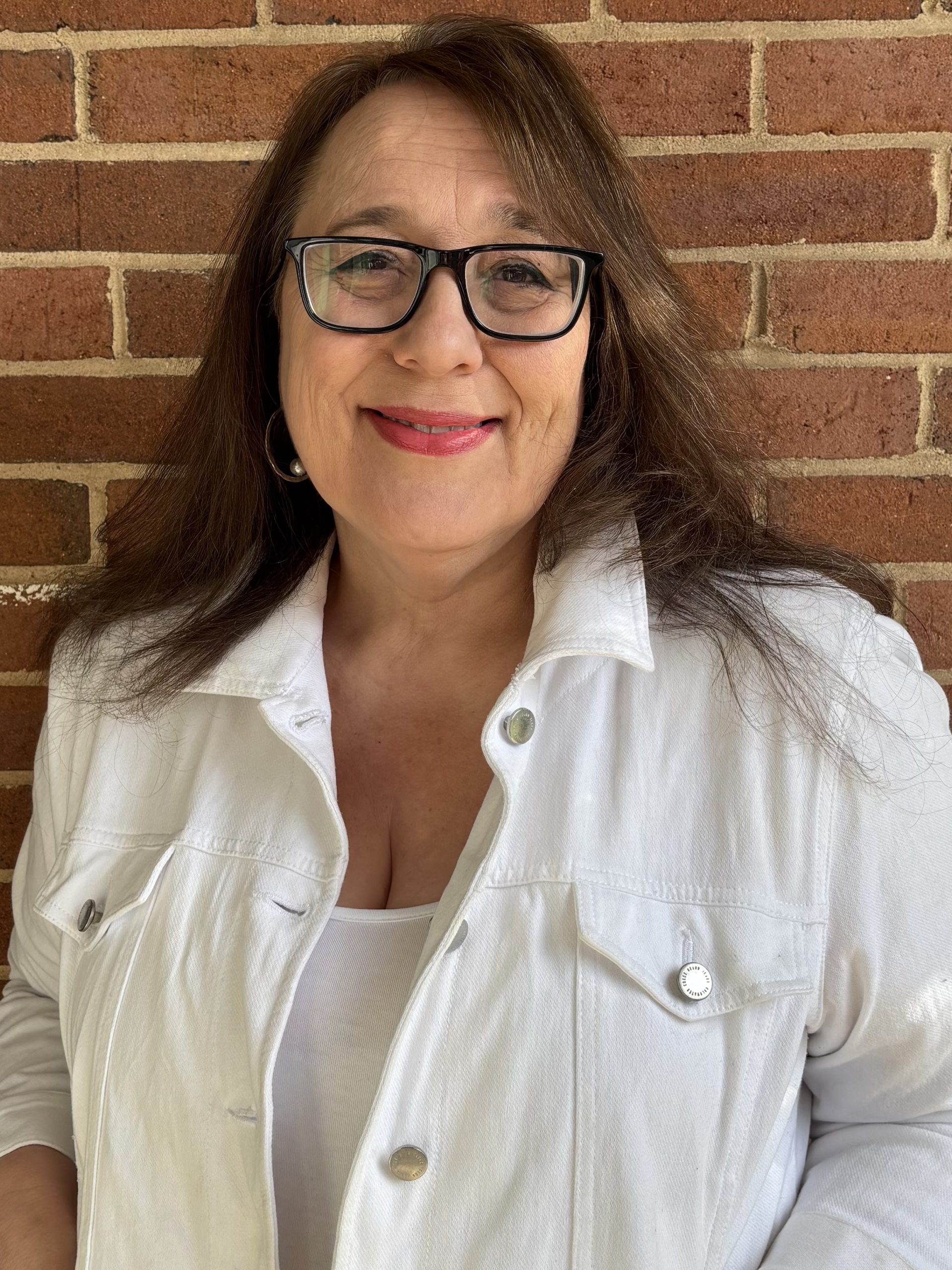
Caroline Bock is the author of THE OTHER BEAUTIFUL PEOPLE, a workplace love story, inspired by her two-decade career in cable television. She is also the author of young adult novels, LIE and Before My Eyes, as well as the award-winning short story collection, Carry Her Home. She is the co-president/prose editor at the Washington Writers’ Publishing House based in Washington, D.C.
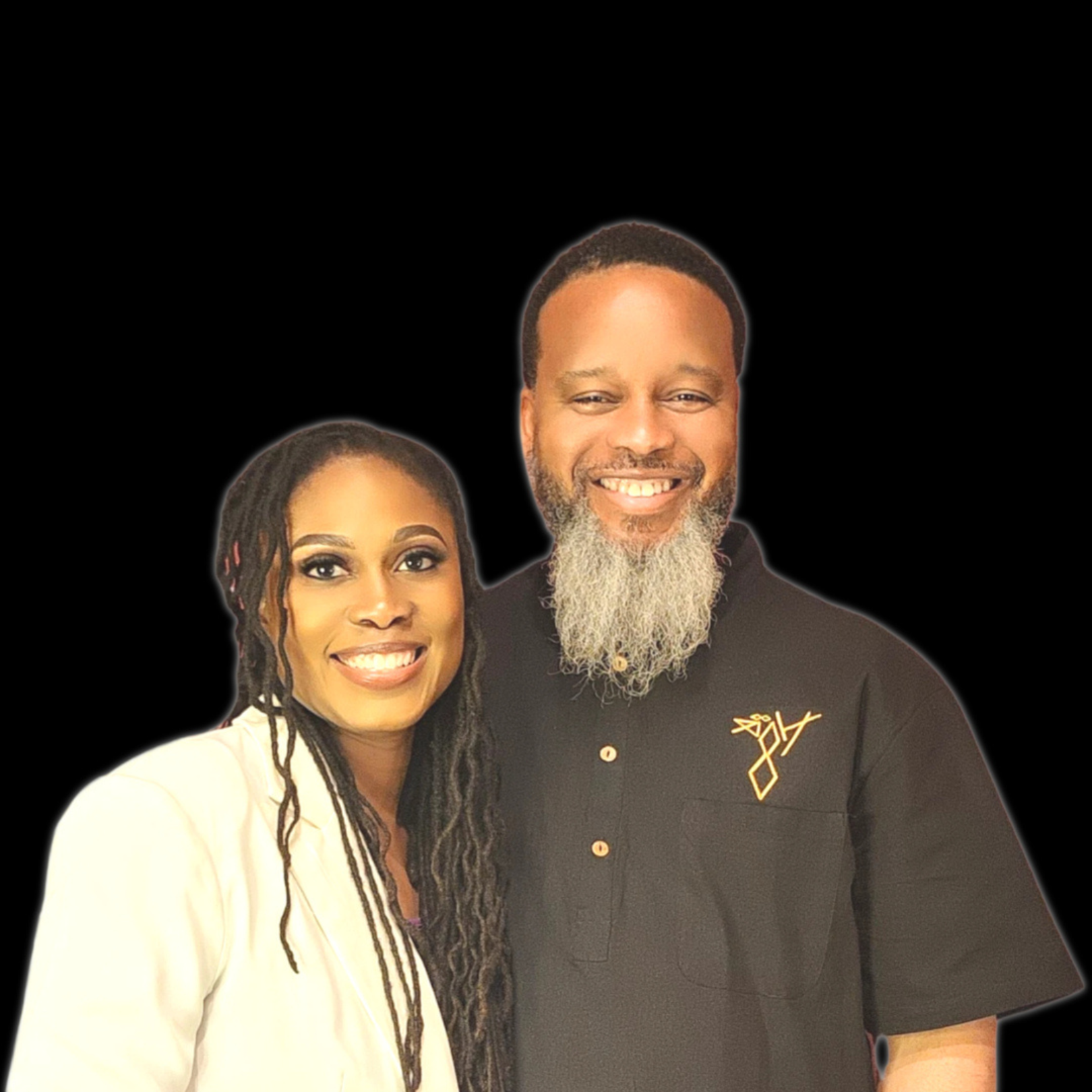
Anthony and Christina M. Johnson are the founders of Testimony Publishers, LLC.®, a family-owned publishing and education firm that helps leaders, entrepreneurs, families, and community voices transform their stories, expertise, and lived experiences into meaningful, protected literary assets. They have helped more than 2,000 people plan, write, promote, and publish their literary work.
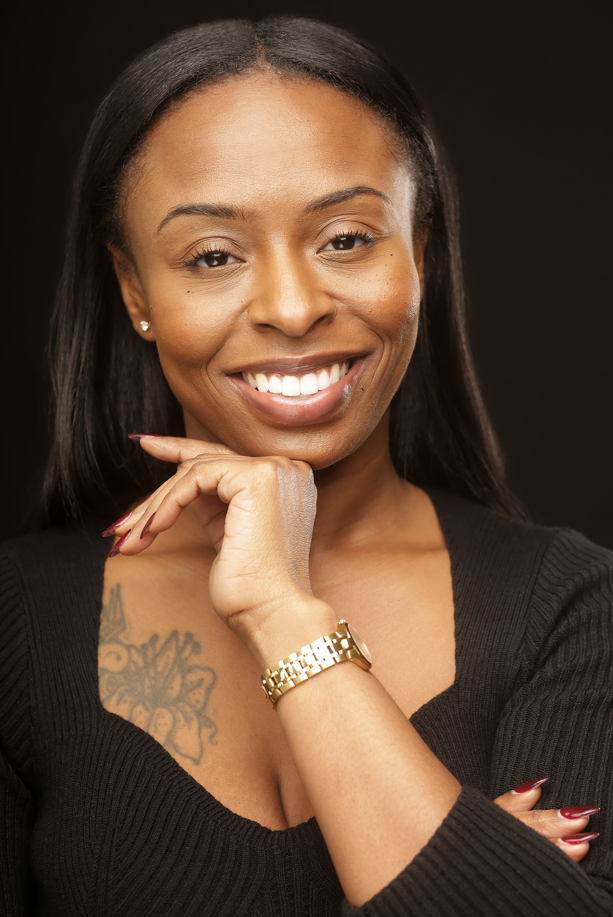
Angel Wilson is a Baltimore-based writer, educator, and the founder of Silent Books Publishing, a self-publishing company dedicated to helping authors bring powerful stories to life. Through Silent Books Publishing, she works with writers, entrepreneurs, and thought leaders to publish books that amplify community voices, preserve lived experiences, and spark meaningful cultural conversations.
Panel 6: Telling Stories with Primary Sources
This panel will present their work using primary materials to tell stories using a variety of different platforms and sources. The Pocomoke Indian Nation and other tribal communities have been sharing indigenous narratives in partnership with cultural organizations in Maryland, creating innovative educational programming.
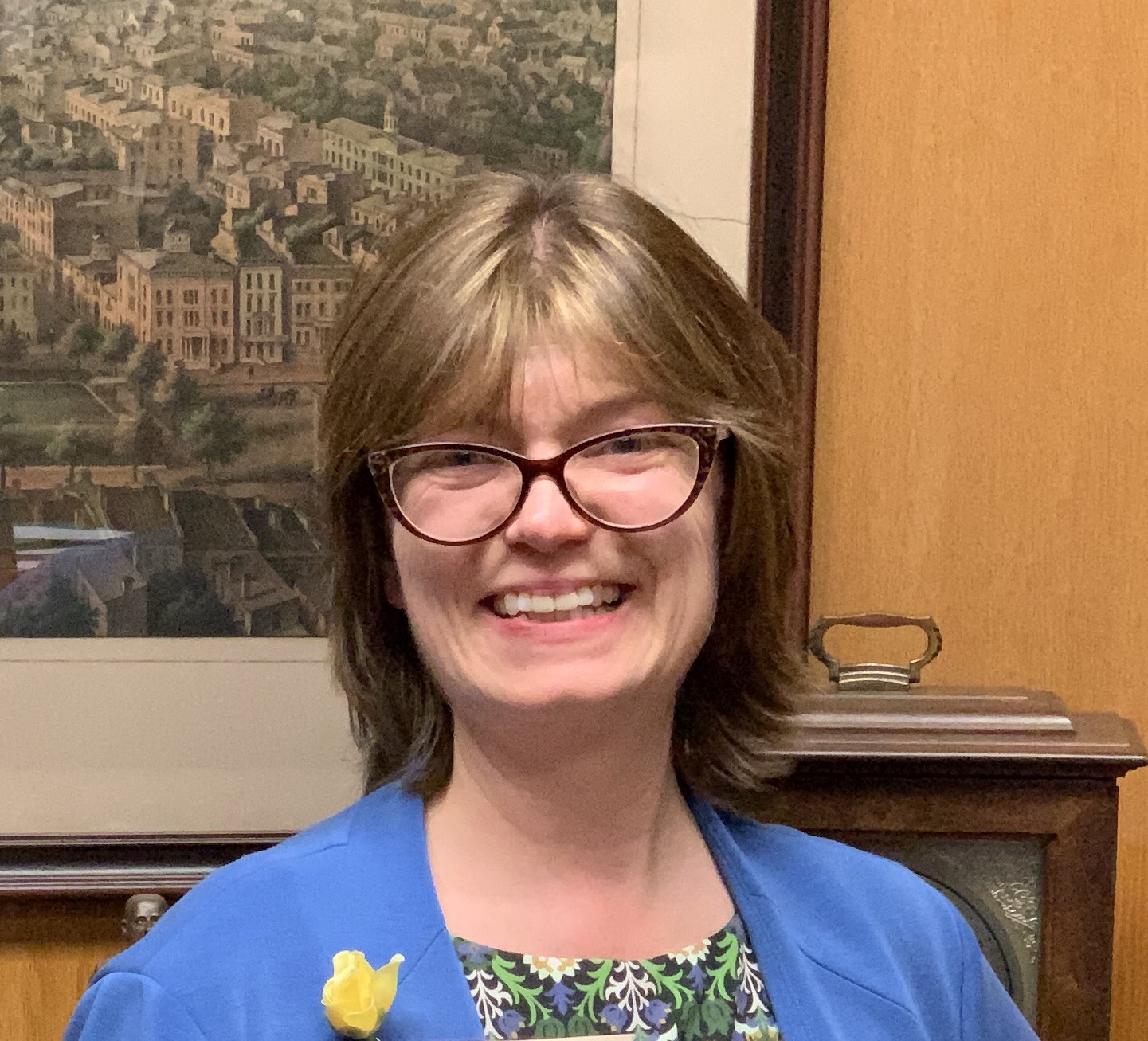
Maria Day serves as the Senior Director of Special Collections, Conservation, and Library Services at Maryland State Archives, where she has worked as an archivist since 2008. In addition to overseeing daily operations in Special Collections and Conservation, she has served as co-director of the Indigenous Peoples’ Program since 2019.
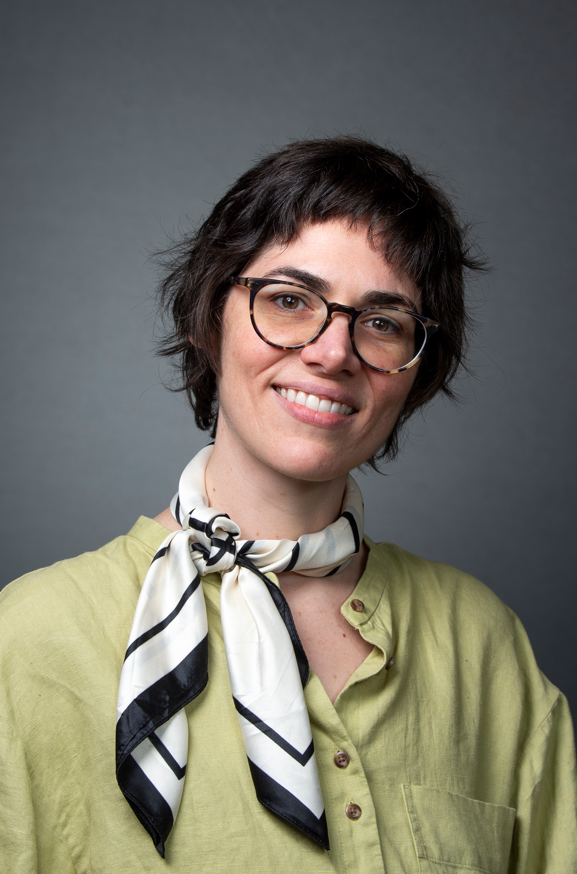
Lia Özizmirli is the manager of K-12 services at Maryland Public Television, where she creates resources to help educators teach with and about media as part of the Maryland Center for Media Literacy & Education division. She has over a decade of experience in education at nonprofits, universities, and historic sites and holds special interests in primary sources and youth engagement.
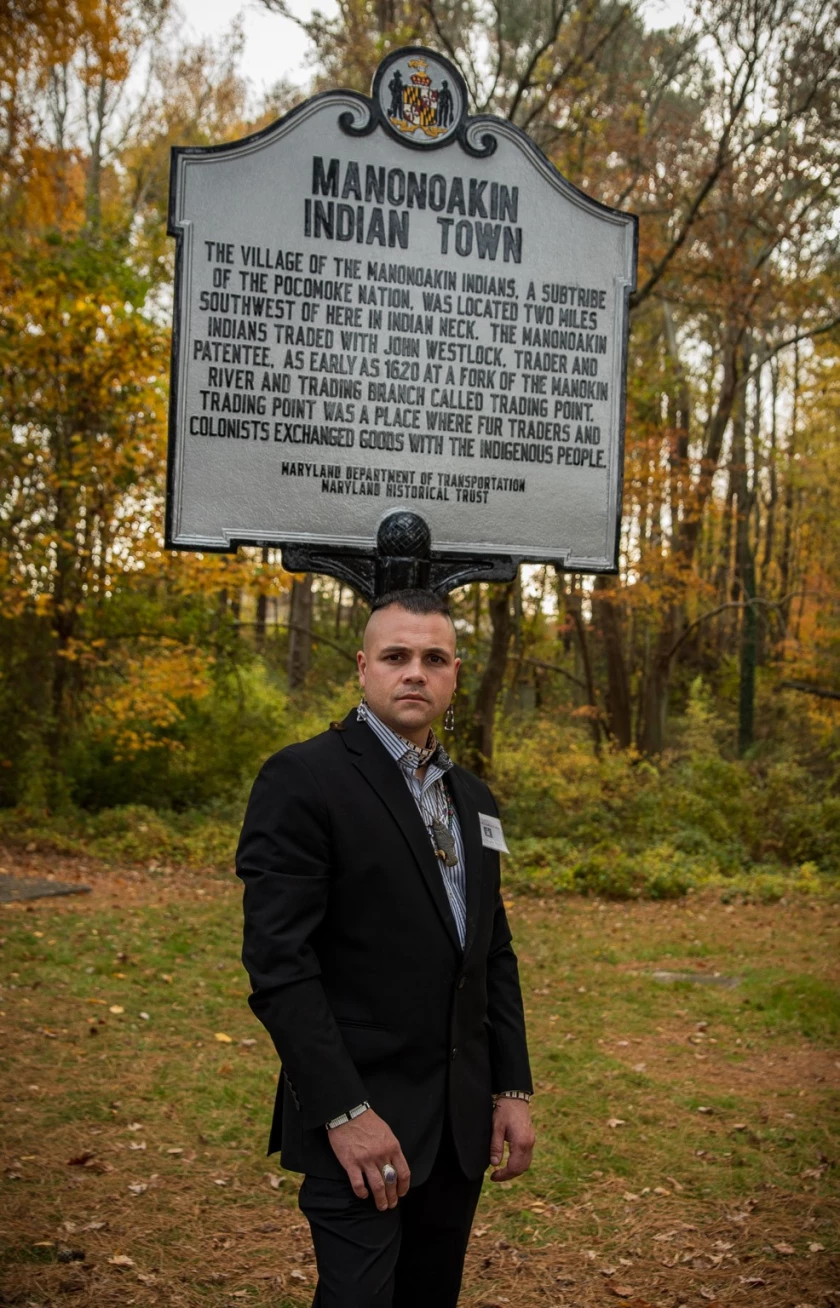
Drew Shuptar-Rayvis (Pekatawas MakataweU “Black Corn”) serves as a Curatorial Fellow in Native History at the New York Historical and as the Algonkian historical consultant for the New Amsterdam History Center of NYC. He is currently working on an exhibition on Seneca Chiefs Corn Planter and Red Jacket, which will incorporate tribal oral histories and is slated to open in 2027.
3:45 – 4:00 p.m. | Closing
Our conference closing remarks will take place in PAHB 132.
4:30 – 5:30 p.m. | Annual Meeting – This Has Happened Before: The Humanities as Democratic Resistance
You won’t want to miss this conversation after the conference.
Maryland Humanities Annual Meeting (PAHB 102)
This Has Happened Before: The Humanities as Democratic Resistance
Historians know this playbook. When authoritarian movements rise, they target the same things: archives, libraries, universities, curriculum, public memory, and the people who ask hard questions about power. What is happening right now in the United States is not unprecedented. It has happened before, and the humanities give us the tools to recognize it, name it, and resist it.
This panel asks a harder question than simply what is under attack. It asks what the humanities missed and why. It brings together people who are not only responding to the present crisis but building something designed to outlast it: educators who have stayed in communities the humanities too often left behind, scholars who have built pipelines for the people the field was slow to include, and practitioners who have used history and law to help communities understand their own power.
Humanities education is not a cultural nicety. It is a survival skill for democracy. And the question before us is not only how we protect it, but how we teach and engage differently going forward.
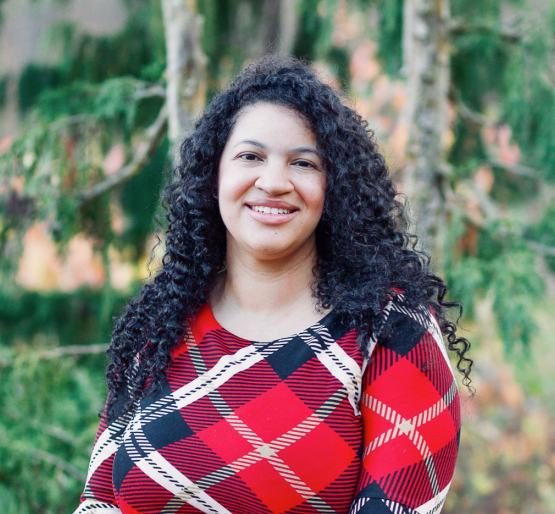
Michelle Coles is an award-winning young adult novelist, former civil rights attorney with the U.S. Department of Justice, and public speaker. She currently serves as a Commissioner on the Maryland Lynching Truth and Reconciliation Commission, a first of its kind in the United States. Her debut young adult historical fiction novel, Black Was the Ink, was published with Tu Books, November 2021.
Ashley Minner Jones is a community-based visual artist and folklorist from Baltimore, Maryland, where she has lived on the same block her entire life. Her interdisciplinary practice is deeply rooted in place—usually in the context of the U.S. South—and is focused on honoring and celebrating everyday people by lifting up their stories.
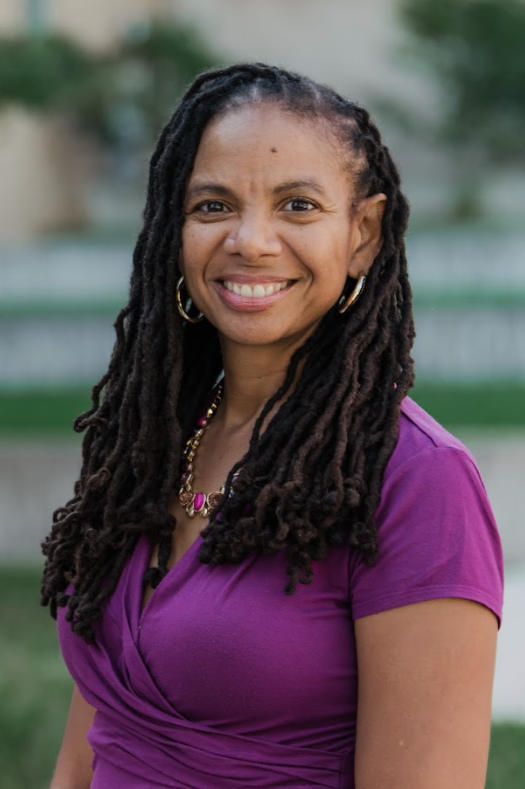
Dr. Kimberly R. Moffitt serves as Dean of the Cathy Hughes School of Communications at Howard University She is board president of the National Association for Media Literate Education, board member of the Greater Baltimore Cultural Alliance, and grants committee chair and board member of Maryland Humanities.
Sponsors
Maryland Humanities would like to thank the following sponsors for helping us make our 2026 conference possible: