
2026 One Maryland One Book
Reader’s Guide – No Sense in Wishing
Welcome Letter
Photo credit: [Baltimore cityscape at night from Federal Hill], by Jack Engeman. Courtesy of the Jack Engeman photographs (Coll118), the Photography Collections, University of Maryland, Baltimore County.
Welcome!
We are thrilled to have you join Maryland Humanities for the nineteenth year of One Maryland One Book, Maryland’s largest reading and discussion program. Since 2008, OMOB has brought together thousands of readers across the state to explore a specific work of literature through discussions at book clubs, libraries, colleges, museums, and more.
Literature has the power to delight, inform, and connect us. The OMOB is selected by a committee of distinguished members of Maryland’s literary community. We hope this connects you to parts of your community in a new way.
No Sense in Wishing is a personal and analytical essay collection that aptly captures this year’s theme of Revolution, Reaction, Reform. Taking cue from Burney’s career as a culture writer and critic, No Sense in Wishing uses that lens to look at his home city of Baltimore, music from throughout the global Black diaspora, and the traditions that raised him, offering perspective on the people, places, music, and art that transformed him.
We at Maryland Humanities hope this book continues to affect readers. Through each essay, readers are invited to traverse not only Burney’s own journeys across the world but also consider their own through the music, art, and culture they’ve encountered. Maryland Humanities highlights how No Sense in Wishing shows us, through the words of a local author, how these encounters can help us tap into deeper discussions of cultural background, social histories, adolescence, family, and relationships. Readers are encouraged to see the book as a model for how creative nonfiction and cultural criticism can be a tool for self-exploration and social transformation.
We encourage you to pick up your copy of No Sense in Wishing and join the conversation at one of our many public events across the state. This guide features discussion questions and a guide to further reading and learning.
As a program of the Maryland Center for the Book at Maryland Humanities, One Maryland One Book is made possible each year through the generosity of our sponsors and community partners. We greatly thank them for their support. However, this year we need everyone’s support to survive. We believe that in order to be community-based we must be community-backed, and now more than ever do we need our community’s support, so we’d like to invite you to join this community with a donation. Find out how you can get involved with events and see ways to make your donation.
Please join us!
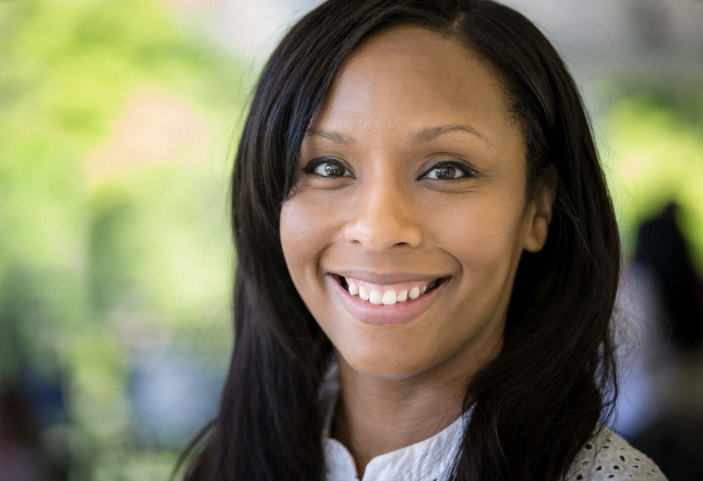
Chanel Johnson
Board Chair
Lindsey Baker
CEO
Reader’s Guide
Every year we work with educators and partners to bring you relevant information to enhance your reading of the One Maryland One Book. Here are some ways you can read along with us.
Read a welcome message from Maryland Humanities staff.
See bios, statements, and learn more about the book’s themes.
Activities in the Teacher’s Guide assist in the practice of these Maryland curricular requirements.
Prompts to guide your conversations about the book.
Activities and curricular guides arranged by subject for interdisciplinary exploration.
A collection of images related to this year’s book selection.
Related reading and other recommended resources to augment the book.
The people and organizations that helped us compile the content and resources of this guide.